
Emergencies come in many forms. Whether it’s a hazardous materials spill near a CBH CO-OP facility, a natural gas leak, or severe weather causing significant damage, these situations can make us feel unprepared. However, having a plan in place can provide a sense of control and readiness.
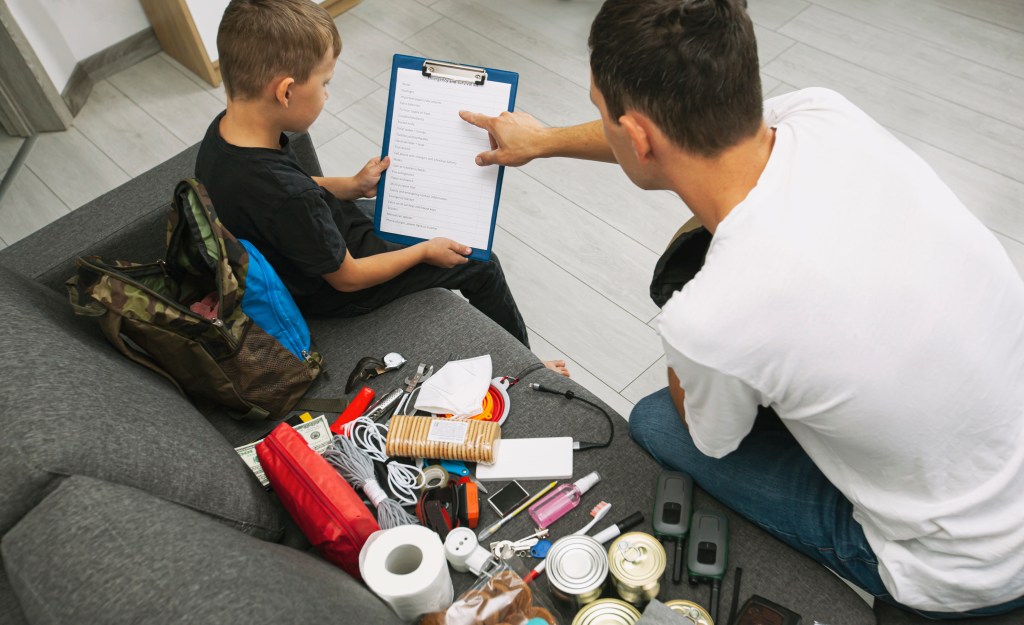
When disaster strikes, you may not always be with your family or colleagues. That’s why it’s critical to establish an emergency plan — where will you meet, how will you communicate, and what actions should be taken in specific situations? A well-thought-out plan helps you, your family, and your CBH CO-OP team navigate emergencies with greater confidence and security.
An emergency plan doesn’t have to be overly complicated but should cover the essentials to keep your family safe and informed. Here are key components to consider:
Home Evacuation Plan
Identify the quickest and safest way to evacuate your home in case of an emergency. Make sure every family member knows the plan. Establish alternative routes in case your primary path is blocked or unsafe. Regularly practicing these routes, especially with younger children, is crucial.Neighborhood Evacuation Routes
Beyond your home, plan how you would evacuate your neighborhood or area if needed. Knowing multiple exits can make a critical difference during community-wide emergencies.Designated Meeting Spots
Select two meeting locations: one close to home for smaller emergencies and another farther away for larger-scale evacuations. These locations should be easy to find and familiar to all family members.Safe Shelter Options
In case you cannot return home, identify a safe place for your family to stay. Whether it’s with a relative or a close friend, having a predetermined location will ease your stress during an emergency. If family or friends aren’t available, compile a list of local shelters or hotels to have on hand.Pet Care Plans
Don’t forget your pets! Decide ahead of time where they will go, and ensure you have any necessary paperwork for boarding facilities or shelters that accommodate pets.Stay Informed
Determine the best ways to receive emergency information. Is there a specific radio station, local news source, or emergency management office that communicates via social media? Knowing how to stay updated will help you act quickly.Communication Plan
In case you are separated from family members, plan how you will communicate. Consider what to do if phone lines are down or cell towers are overwhelmed. Identify alternative means of staying connected, such as using two-way radios or apps that work without data.Emergency Contacts and Resources
Compile a list of important contacts, including the Red Cross, local non-profits, and community emergency services. Having these numbers readily available will save time and reduce stress when it matters most.Prepare an Emergency Kit
Pack an emergency kit that includes essentials such as flashlights, batteries, food, and water. The kit should be portable and easy to carry, ensuring it can be taken with you if evacuation becomes necessary. Refer to CBH CO-OP’s emergency kit checklist for guidance on what to include.Share Your Plan
Make sure family members and close friends are aware of your emergency plan. Knowing where you’ll be and how they can help will make a huge difference in any emergency.
While we hope that you’ll never face an emergency requiring evacuation, being prepared is the best way to ensure the safety of your family and co-workers. CBH CO-OP is committed to helping you plan for any situation, and we have compiled additional resources to assist you in creating a thorough emergency strategy.
Stay safe and ready, and remember: having a plan in place ensures you’re prepared for anything.